You can see what needs to change
Getting there is the hard part
Business impact is driven through measurable change. It requires alignment of business priorities, financial commitments, technology investments and an organization prepared to adopt and sustain change.
Every organization I’ve worked with can see the shoreline. They know where they want to go.
But somewhere between the boardroom and the front line, the goals become misaligned. Sales wants the numbers. Operations wants stability. Finance wants the budget protected. IT finds out last. Nobody planned it this way - it’s just what happens when a company grows function by function, as one disconnected system.
I call it structural friction, and it creates misalignment and hinders organizational progress.
If you’re experiencing structural friction, we should talk!
How I Help My Clients
I start by listening. I listen first, because people are usually talking over each other. Their motivations are driven by perspective and years of experience in functional silos.
And then I start asking questions.
What are you trying to accomplish? What’s getting in the way? What are your priorities? What have you already invested in? What’s working - and what isn’t?
The answers to those questions tell me more about what your organization needs than any assessment tool or framework ever could. And they tell me where to shine the light first.
Not every constraint is the same. Some are real. Some are rooted in assumptions, old processes, decisions made years ago or simply the way things have always been done. Understanding the difference helps us determine what’s possible.
Then we map the art of the possible. What should happen first? What can wait? Where does the organization already have the capability it needs? Where does it need help? Which investments are creating value? Which ones need another look? And where is the organization simply not ready yet?
I don’t arrive with a predetermined answer or a framework looking for a problem. I bring the perspective and judgment I’ve developed as an executive, leading change and working alongside organizations facing complex decisions. I’ll challenge assumptions when it’s useful, offer another way to think about the problem and work with your team to turn clarity into action.
If something isn’t working the way you expected - or you know where you want to go but aren’t sure how to get there - let’s talk.
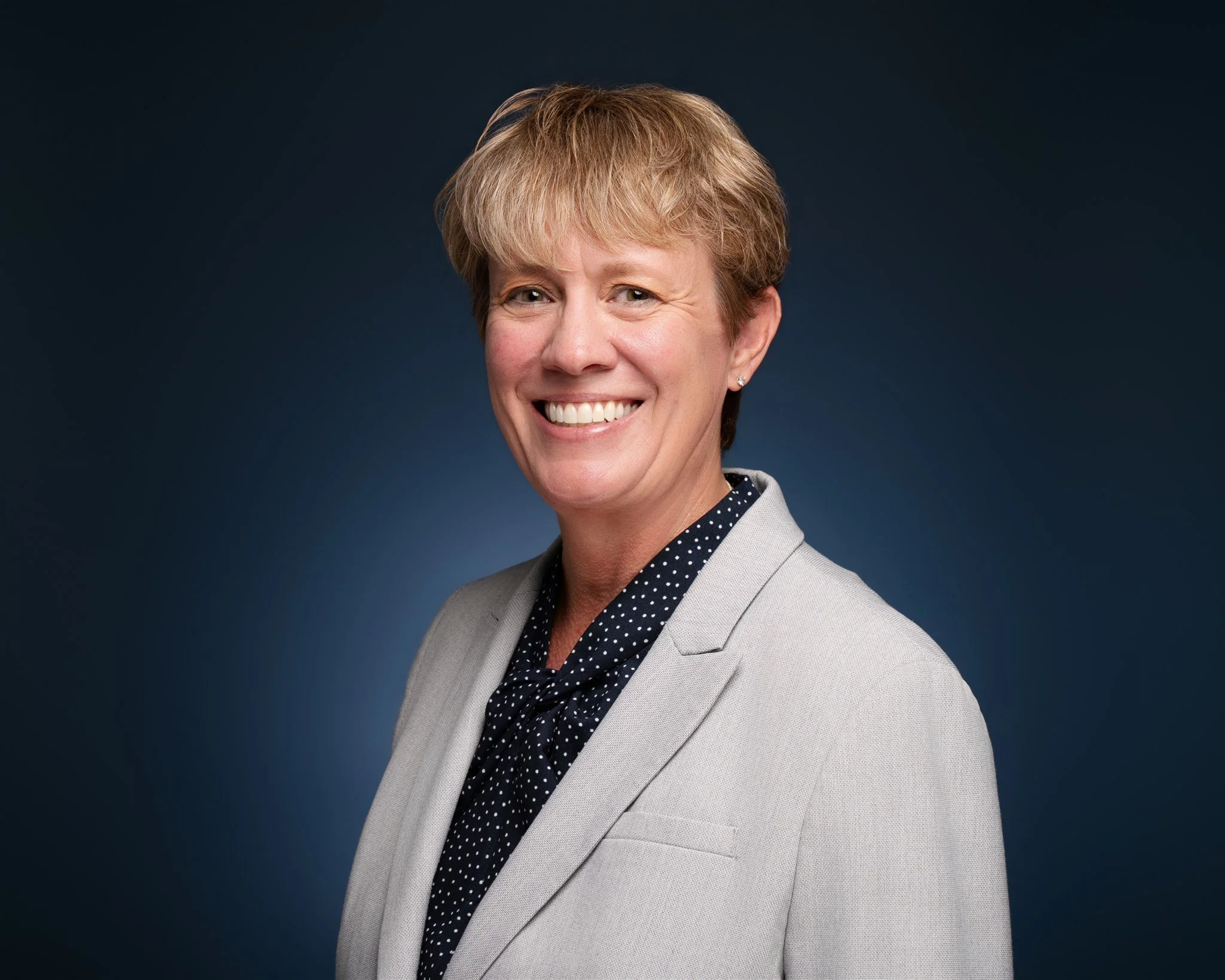
About Susan
My career hasn’t followed a straight line.
I started as a CPA and auditor and eventually found my way into technology, consulting and executive leadership. Along the way, I learned to look at organizations from more than one perspective - financial, operational, technological and human. Each role added another way of seeing the business and strengthened my curiosity about how it all works together.
Experience has also taught me that the answer is rarely found in one place. Business, technology, financial and people decisions are interconnected, and the people closest to the work often bring a perspective leadership doesn’t have.
I’ve had the opportunity to see these dynamics from both sides of the table - as a consultant advising executives and as the executive responsible for making the decision, securing support and living with the outcome. Serving as a CIO gave me a particular appreciation for the difference between a good idea and one an organization is actually prepared to execute.
For more than 20 years I worked in organizations of very different sizes, industries and stages of growth. My experience spans executive leadership at a $12 billion regional bank, senior leadership roles with CGI and Hitachi Consulting, and a venture-backed technology company navigating rapid growth and change. Earlier in my career, Arthur Andersen gave me a foundation in financial discipline, risk and accountability that has stayed with me throughout every role that followed.
The environments have changed, but the questions that interest me have remained remarkably consistent.
How do we make better decisions?
How do we bring people along?
How do we know whether an investment is actually creating value?
How do we turn a good idea into something an organization can actually execute?
If you’re working through a complex decision, navigating change or simply trying to figure out what’s possible, I’d welcome a conversation.

Let’s Talk about AI
You believe AI can make work better and create meaningful business impact. You’ve invested in tools, encouraged adoption and challenged your organization to move forward.
But providing access to AI isn’t the same as creating impact. Employees are still figuring out how to use it effectively. Leaders are questioning what should change. Vendors are driving buying decisions before tools have been clearly connected to the business outcomes they’re intended to deliver.
You have ideas. You have urgency. You may even have a plan.
I can help you see clearly - where you actually are, what’s creating value, what’s quietly costing you, and what to do first, what to do second, and what to stop doing entirely.
Organizational alignment means understanding your part and how it contributes to the whole.
Every function brings a different perspective, responsibility and expertise.
Finance sees the investment. Technology sees the systems. Operations sees the process. Employees see what actually happens every day. Leadership sees the outcome they're trying to achieve.
The goal isn't for everyone to play the same part.
It's to understand how the individual parts work together and where they depend on one another.
That's orchestration - connecting people, priorities and decisions so the organization can move forward in concert.
Technology works best when your organization is ready for it.
I've learned to ask what needs to be true before making an investment.
Are the processes working? Do people understand their roles? Is there ownership and accountability? Is the organization prepared to adopt a new way of working?
Sometimes the right answer is not yet.
Build the capability first, then choose the technology that supports it. Otherwise, the best platform becomes an expensive way to automate problems you already have.
People & Potential
I've seen talented people overlooked because their experience didn't fit a traditional job description or their potential hadn't yet been recognized.
Develop people into new roles. Listen to the people closest to the work. Create opportunities for them to contribute in ways you may not have considered.
When people are trusted, challenged and given the opportunity to grow, they achieve the art of the possible.